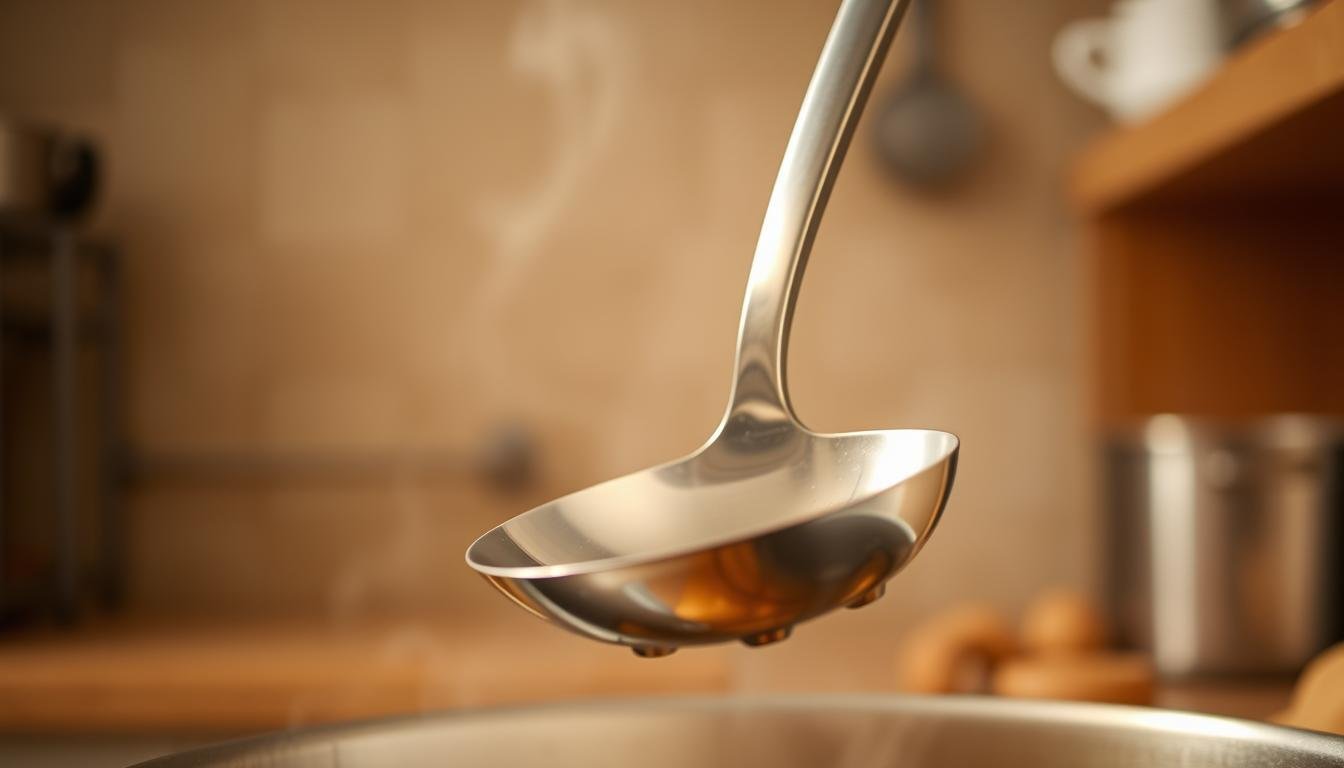
Large Pot With Lid options range from basic stock pots to heavy-duty Dutch ovens, and choosing the right one transforms your cooking capabilities. Most home cooks underestimate how much a quality large pot expands their recipe possibilities.
The right pot lets you make everything from small-batch soups to feast-sized stews with consistent results. This guide covers materials, sizes, and features that matter most for home cooking.
By the end you will know which pot type fits your cooking style, what size handles your household needs, and which features deliver the best value.
TL;DR
- Stainless steel offers the best balance of durability and versatility for most home cooks.
- A 12-quart capacity handles family meals and batch cooking without being unwieldy for daily use.
- Tight-fitting lids with proper steam venting prevent boil-overs while maintaining moisture.
- Heavy-bottomed construction prevents hot spots and burning when making stocks or stews.
* As an Amazon Associate I earn from qualifying purchases at no extra cost to you.
Large Pot With Lid Types Compared
Different pot designs excel at specific cooking tasks. Understanding these differences helps you pick the right tool for your cooking style.
Stock Pots
Stock pots have tall, straight sides and thin bottoms designed for liquid-based cooking. They excel at making broths, boiling pasta, and cooking large quantities of soup.
- Best for: stocks, broths, pasta water, corn on the cob
- Capacity range: 8 to 32 quarts
- Shape: tall and narrow for maximum liquid capacity
Dutch Ovens
Dutch ovens feature thick walls and heavy construction that retains heat exceptionally well. They work on stovetops and in ovens, making them perfect for braising and slow cooking.
- Best for: stews, braises, bread baking, deep frying
- Capacity range: 5 to 15 quarts
- Shape: wide and deep with thick walls
Multi-Purpose Large Pots
These combine features from stock pots and Dutch ovens. They have moderately thick bottoms and versatile shapes that handle most cooking tasks reasonably well.
- Best for: everyday cooking, one-pot meals, steaming
- Capacity range: 6 to 16 quarts
- Shape: balanced proportions for versatility

Material Options for Large Pots
Pot materials affect heat distribution, maintenance, and durability. Each material has distinct advantages depending on your cooking priorities.
Stainless Steel
Stainless steel dominates the market for good reason. It resists stains, handles acidic foods safely, and works on all cooktop types including induction.
- Pros: durable, non-reactive, dishwasher safe
- Cons: can have hot spots without aluminum core
- Best choice for: general cooking and easy maintenance
Cast Iron
Cast iron excels at heat retention and develops natural non-stick properties over time. Enameled cast iron combines these benefits with easy cleaning.
- Pros: superior heat retention, oven safe to high temperatures
- Cons: heavy, requires seasoning maintenance (raw cast iron)
- Best choice for: slow cooking and braising
Aluminum
Aluminum conducts heat quickly and evenly. Anodized aluminum adds durability and prevents reactions with acidic foods.
- Pros: lightweight, excellent heat conduction, affordable
- Cons: can react with acidic foods, not induction compatible
- Best choice for: budget-conscious cooks who prioritize heat performance
Sizing Your Large Pot
Pot size determines what you can cook and how efficiently. Too small limits your options while too large wastes energy and storage space.

Household Size Guidelines
Match pot capacity to your typical cooking needs. Consider both daily meals and occasional entertaining when making your choice.
- 1-2 people: 6-8 quart capacity handles most needs
- 3-4 people: 10-12 quart capacity for family meals and batch cooking
- 5+ people: 14-16 quart capacity for large families
- Entertaining: 20+ quart capacity for parties and gatherings
Storage Considerations
Large pots take significant cabinet space. Measure your storage areas before buying to ensure the pot fits comfortably with the lid on.
Pot Size Reality Check
Most home cooks overestimate the size they need for daily cooking.
- A 12-quart pot makes soup for 8-10 people or holds 3 pounds of pasta.
- Bigger pots take longer to heat up and use more energy.
- Consider buying two moderate-sized pots instead of one giant pot.
Essential Features to Consider
The right features make cooking easier and more enjoyable. Focus on elements that affect daily use rather than flashy extras.
Handle Design
Handles must support the pot’s full weight safely when loaded with food. Look for riveted construction and heat-resistant materials.
- Helper handles: small handles opposite the main handle for lifting heavy pots
- Stay-cool construction: hollow or insulated handles that remain cool during cooking
- Ergonomic shape: comfortable grip that distributes weight evenly
Lid Construction
Tight-fitting lids trap steam and heat effectively. Self-basting lids have small bumps that redistribute condensation back onto food.
- Weight: heavier lids seal better but can be harder to handle
- Steam vents: prevent pressure buildup and boil-overs
- See-through design: tempered glass lets you monitor cooking progress
Base Construction
The bottom of the pot affects heat distribution and energy efficiency. Thick, multi-layer bases prevent hot spots and scorching.
- Tri-ply construction: aluminum core between stainless steel layers
- Flat bottom: ensures good contact with heating elements
- Induction compatibility: magnetic base works on all cooktop types

Cooking Applications
Large pots excel at specific cooking methods that require substantial liquid or long cooking times. Understanding these applications helps you choose the right pot design.
Soup and Broth Making
Making stock requires simmering bones and vegetables for hours. A tall pot maximizes liquid capacity while minimizing evaporation through the smaller surface area.
Pasta Cooking
Pasta needs plenty of water to cook properly without sticking. A 12-quart pot easily handles 2 pounds of pasta with room for vigorous boiling.
Batch Cooking and Meal Prep
Large pots let you prepare multiple meals at once. Cook a big batch of chili, stew, or soup and freeze portions for quick weeknight dinners.
Steaming and Blanching
Many large pots accommodate steamer inserts for healthy cooking. The lid traps steam while the large capacity handles multiple servings of vegetables.
For more cooking techniques and recipes, check out our slow cooker vegetable soup guide for complementary cooking methods.
Budget and Quality Balance
Large pots represent a significant kitchen investment. Understanding the relationship between price and performance helps you make smart choices.
Entry-Level Options
Basic stainless steel pots from established brands offer good performance at reasonable prices. These work well for occasional use and basic cooking tasks.
- Price range: $40-80 for 12-quart capacity
- Features: single-wall construction, basic lids, simple handles
- Best for: new cooks or light use
Mid-Range Quality
Multi-ply construction and better handles justify higher prices. These pots perform consistently and last for many years of regular use.
- Price range: $100-200 for 12-quart capacity
- Features: aluminum core, helper handles, fitted lids
- Best for: frequent cooking and better heat distribution
Premium Investment
High-end pots use superior materials and construction. They offer the best heat distribution and durability but cost significantly more.
- Price range: $250-500+ for 12-quart capacity
- Features: five-ply construction, professional-grade handles, lifetime warranties
- Best for: serious cooks who want the best performance
According to Serious Eats, mid-range pots often provide the best value for most home cooks.
Consider how often you cook and your skill level when deciding how much to spend. A quality mid-range pot serves most home cooks better than either extreme.
Frequently Asked Questions
What size large pot works best for a family of four?
A 12-quart pot handles family meals and batch cooking without being too large for daily use. This size makes soup for 8 people or cooks 2 pounds of pasta comfortably.
Can I use a large pot with lid for steaming vegetables?
Yes, most large pots work with steamer baskets or inserts. The lid traps steam effectively while the large capacity handles multiple servings of vegetables at once.
How do I prevent food from sticking in stainless steel pots?
Preheat the pot before adding oil, use adequate fat, and avoid moving food too early. Proper temperature control prevents most sticking issues in stainless steel.
Are expensive large pots worth the extra cost?
Mid-range pots with aluminum cores offer the best value for most cooks. Premium pots provide marginal improvements that matter mainly to professional or very frequent users.
What’s the difference between stock pots and Dutch ovens?
Stock pots have thin bottoms and tall sides optimized for liquids, while Dutch ovens have thick walls for heat retention and work in ovens. Choose based on your primary cooking methods.
How do I clean and maintain my large pot?
Most stainless steel pots are dishwasher safe, but hand washing preserves the finish longer. Use Bar Keepers Friend for stubborn stains and avoid abrasive scrubbers on non-stick surfaces.
Final Thoughts
Large Pot With Lid selection comes down to matching size and features to your actual cooking habits. A quality 12-quart stainless steel pot with good construction handles most home cooking needs effectively.
Focus on proven materials like stainless steel or enameled cast iron rather than specialty coatings. The right pot becomes a kitchen workhorse that serves you well for decades.
For more kitchen essential guides, explore our chicken broth versus stock comparison to maximize your pot’s potential.

Ryan Conlon is the comfort food fan behind QuickSimpleSoups.com, where he shares easy soup ideas, smart shortcuts, and helpful tips for busy home cooks. Ryan believes a good bowl of soup doesn’t need to be complicated—and he’s here to prove it. Whether you’re looking for quick weeknight meals or cozy classics with a twist, Ryan’s simple approach helps you serve up satisfying soups with minimal effort.